How Trust Manifests in a Natural Resource Partnership
8/25/26
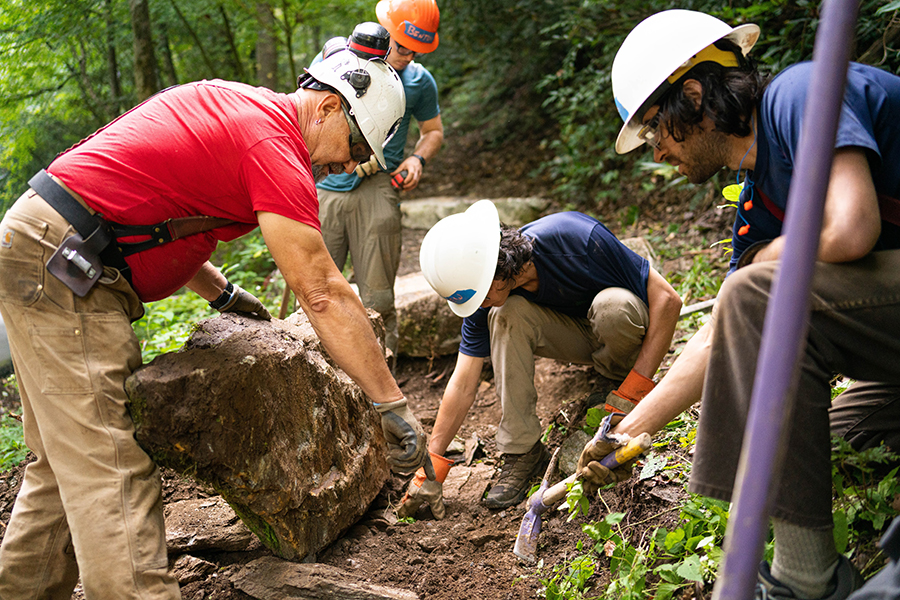
A new publication by ALWRI Research Social Scientist Chris Armatas and his colleagues explores how trust manifests in a natural resource partnership.
For environmental partnerships to work, people have to trust each other—but building that trust can be complicated. To explore how trust works in the real world, Armatas and his team looked at partnerships between U.S. federal agencies and non-governmental organizations (NGOs or nonprofits) that work together to manage outdoor recreation on public lands.
Analyzing data from both agency employees and nonprofit staff, the researchers examined four distinct types of trust that make up a "trust ecology":
• Rational Trust: Relying on partners to do what they promised to do.
• Affinitive Trust: Feeling a deeper emotional connection or sharing the same core values.
• Systems-Based Trust: Feeling secure because rules, contracts, and safety nets protect everyone involved.
• Dispositional Trust: How naturally trusting a person or organization is from the very start.
They found that high overall trust is the absolute strongest predictor of a successful partnership. Shared values and emotional connections mattered the most when it came to building that overall trust.
Different forms of trust do not exist in isolation; they feed into and strengthen one another. Ultimately, the research shows that for the best management of our natural resources, we need tailored, real-world strategies designed to foster and strengthen relationships.